Detection & alarm
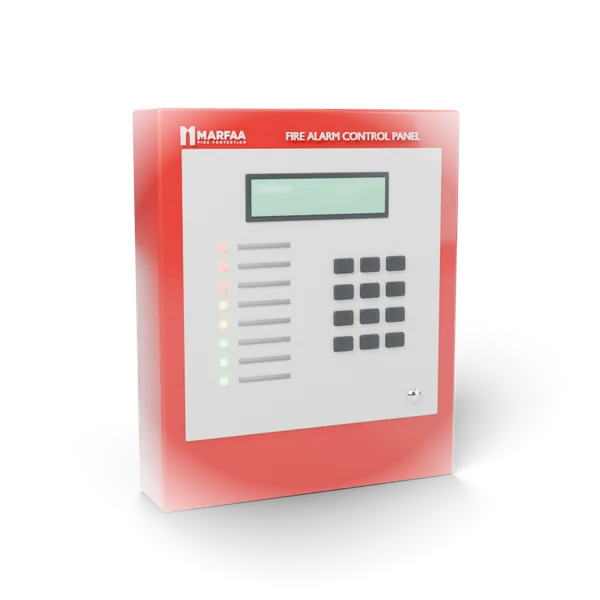
Fire alarm control panel
The heart of the system: receives detector signals, locates the event, and triggers alarms and linked suppression.
One contract covering every fire protection system in your facility: scheduled visits, documented testing, a report after each visit, and response to faults between visits. A valid contract with an approved company is one of the documents required when you renew your Salamah safety certificate.
Visit frequency depends on the type of facility and system, and is agreed in the contract after a survey. The two most common options:
On every visit we inspect and test the covered systems, document the results in a report handed to you, and respond to urgent faults between visits.
The heart of the system: receives detector signals, locates the event, and triggers alarms and linked suppression.
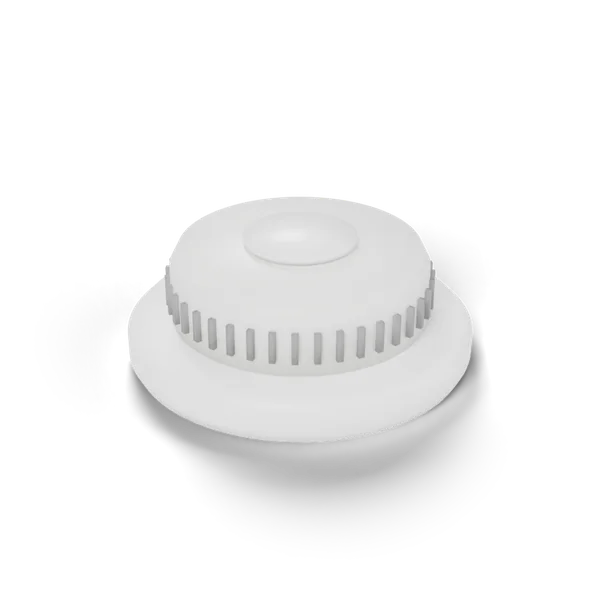
Senses smoke early and signals the control panel. The standard choice for most rooms and corridors.
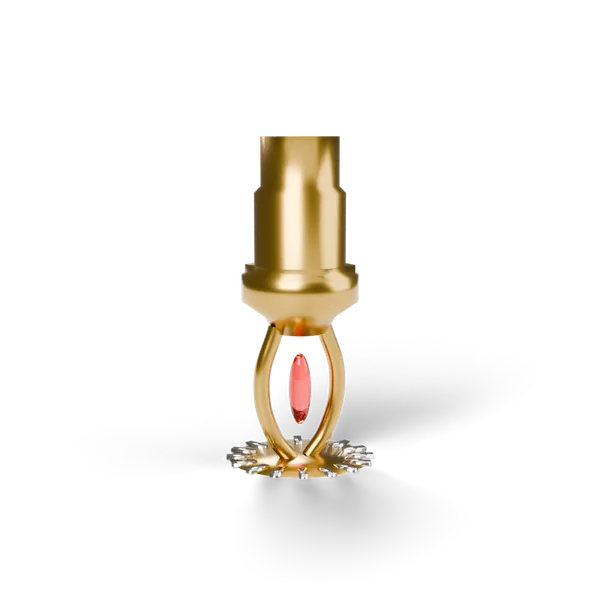
Its glass bulb breaks at a set temperature and sprays water directly onto the fire.
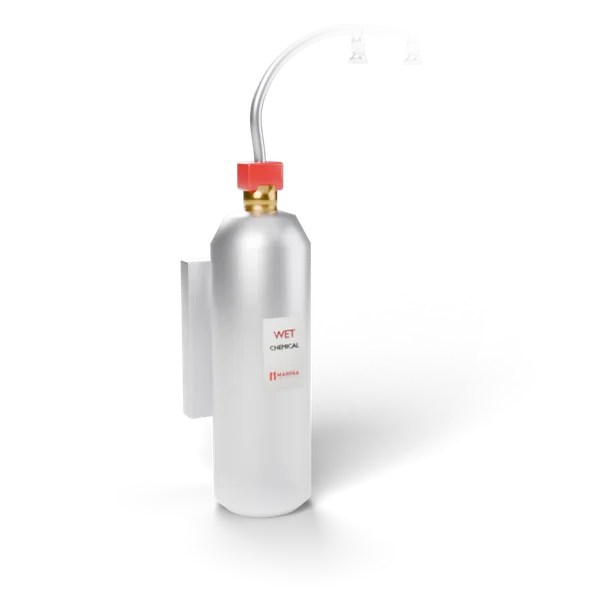
Discharges a wet-chemical agent over fryers and grills and shuts off the gas automatically.
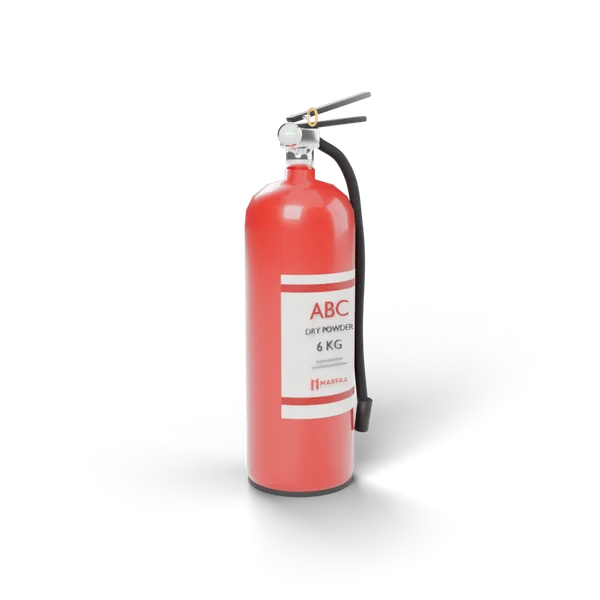
Multi-purpose for ordinary combustibles, liquids, gas and electrical fires. The most common choice for shops and offices.
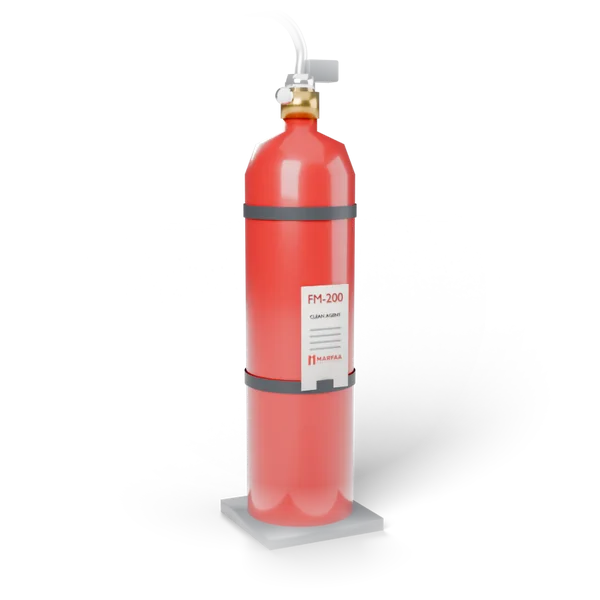
Puts out fires in server and electrical rooms within seconds, without water or residue.
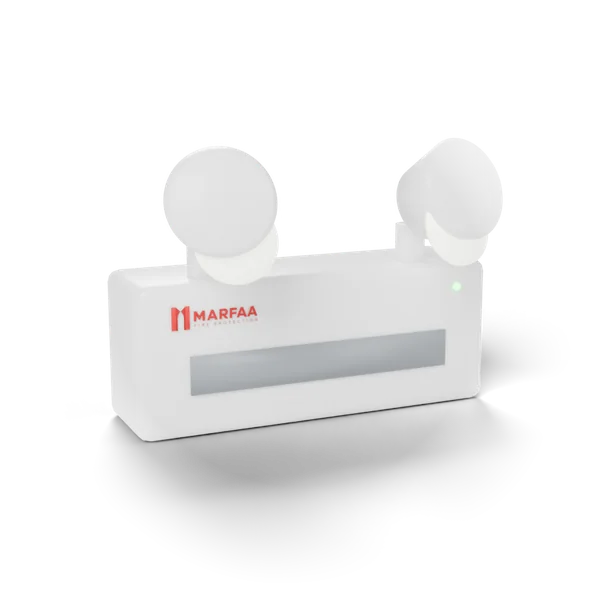
Switches on automatically during a power cut to light corridors and escape routes.
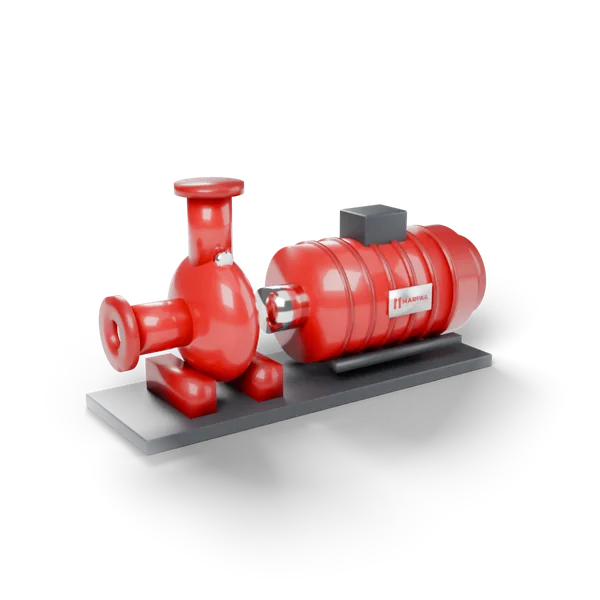
Keeps the suppression network pressurised and feeds it when sprinklers or hoses operate.
When you renew the safety certificate on the Civil Defense Salamah platform, a valid maintenance contract with an approved company is usually required in the facility file. An annual contract prepares you in three ways:
For the full process, see our guide to the Civil Defense safety certificate.
Contact us by form, WhatsApp or phone and tell us the facility type and the systems it has.
We visit the facility, list the systems and their condition, and identify anything to fix before the contract starts.
We send a written offer with the covered systems, visit frequency, scope of work and price.
Once the contract is signed, visits follow the agreed schedule, with a documented report after each one.
The Saudi Fire Code SBC 801 and Civil Defense requirements come first, and the code draws on international NFPA standards. The main standards behind this service:
The quote states specifications, quantities and timeline. No catch-all line items, no surprises on the invoice.
We do not hand over a system that would not pass inspection. Readiness for approval is part of the job, not an extra step.
A system needs scheduled maintenance to keep working. We stay with you after handover rather than ending there.
Usually yes: a valid maintenance contract with a Civil Defense approved safety company is a standard document in the renewal file for most activities, and its reports show the systems are monitored, not merely installed.
It depends on the type of facility and system; quarterly or semi-annual visits are the common options, and the number is set in the contract after a survey.
Yes. We start by surveying the existing systems and their condition, and fix what is needed before the contract begins, so reports are based on working systems.
It depends on the facility type and size, the systems covered and the visit frequency, so we do not publish a fixed price; we send a clear quote after the survey.
Also read: Fire-System Maintenance Contracts: Why You Need One, and What It Covers
Fill the fields, your request reaches us instantly and WhatsApp opens with a ready message. Or call us directly.
Send us the facility details and we will come back with a quote based on an actual site survey, not a general estimate.